Scale AI data operations with 2,000+ professionals through an inclusive impact-sourcing model that expands access to meaningful employment while building skilled talent for complex AI workflows.
AI Data Engineering Solutions
Engineering the data behind AI that sees, understands and acts.
AI systems are only as reliable as the data behind them. rProcess delivers end-to-end AI data engineering, from data sourcing and structuring to annotation, validation and continuous improvement, building reliable data foundations for Physical AI, Vision & Perception AI and Enterprise AI.
Built for High-Volume AI Data Workflows
Enterprise-scale capacity, domain expertise and quality controls across visual, sensor and digital data.
Long-term experience engineering data workflows for complex AI programs
Images, text, video, LiDAR, audio, radar, documents and multi-camera streams |
High-volume visual data workflows across industries and AI applications
From strategy and sourcing to validation and continuous improvement |
High-volume 3D and sensor-data workflows for perception and spatial AI
Engineering the Data Foundation Behind AI
Most AI teams don't lack data. They lack data that is consistent, traceable and representative enough to train models and evaluate performance reliably.
rProcess transforms fragmented, high-volume data into AI-ready datasets and evaluation frameworks across the AI lifecycle, from multimodal data engineering to GenAI evaluation and continuous human feedback.
One Engineering Approach Across Every
AI Data Modality
Visual, spatial, language, audio and document data, engineered individually or across modalities.
Images
Text
Video
LiDAR
Audio
Radar
Documents
Camera
AI Data Engineering Life Cycle
AI data evolves with every new scenario, failure and model cycle. rProcess engineers the workflows that keep this loop improving.
Click any stage of the loop to see what happens at that step.
Data Strategy, Sourcing & Readiness
Define data requirements, plan scenario coverage and coordinate data sourcing to build representative datasets aligned with AI use cases. Assess data availability, coverage gaps, metadata and readiness to support downstream AI engineering.
Representative, use-case-ready data aligned to your AI objectives.
Data Structuring & Quality
Raw data is rarely ready for AI development. rProcess structures, cleans, normalizes and organizes complex datasets so they are consistent, traceable and ready for ground truth engineering, training and evaluation.
Structured, consistent and quality-controlled data ready for AI workflows.
Ground Truth Engineering
Engineer high-fidelity ground truth through ontology and taxonomy design, multimodal annotation, model-assisted workflows, expert adjudication and edge-case scenario mining, creating training and evaluation data built for real-world AI.
We engineer the intelligence structure behind the labels.
Expert Validation & Evaluation
Benchmark performance is only the beginning. rProcess helps identify edge cases, failure modes and coverage gaps that may not appear in standard evaluation datasets, creating targeted validation data for real-world AI systems.
Actionable insights that strengthen AI reliability and robustness.
Continuous Data Improvement
Once AI enters production, new environments, edge cases and failure modes reveal what the data didn't capture before. We turn those signals into new data requirements, expanded coverage and refined validation workflows, feeding the next improvement cycle.
A continuously improving data foundation that keeps AI relevant as the real world changes.
Client & Partner Data • Controlled Environments • Scenario-Driven Inputs
Acquire & Structure • Ground Truth Engineering • Validate • Improve
One continuous data lifecycle, powered by domain expertise.

YOLOViz supports the AI data engineering workflow across the lifecycle, from acquisition and structuring through validation and continuous improvement.
Engagement Model: From Pilot to Production
A simple, iterative and transparent process, with clear milestones at every step.
Discover
We capture your goals, data and stakeholders and agree with a clear roadmap.
Setup
Data ingestion, workflows and quality standards are configured.
Pilot
We run a proof of concept on your data, show sample results and confirm the approach.
Steady-State
Full-production delivery with continuous QA and optimization.
Why Enterprises Choose rProcess
Enterprise AI requires more than data processing. It demands scalable operations, flexible engineering, rigorous quality controls and responsible sourcing practices.
Every engagement begins with a pilot using your own data. Review sample outputs, validate quality and align on expectations before scaling to full production. This gives you confidence in the approach before increasing volume.
Our delivery operations are supported by established information security and quality management frameworks, including ISO 27001:2022 and ISO 9001:2015, alongside relevant TISAX, RBA and GDPR requirements based on project scope.
Structured quality checks and expert reviews are integrated throughout the delivery process. Defined quality procedures and documented review records support accountability, consistency and traceability across dataset production.
Data Engineering Case Studies
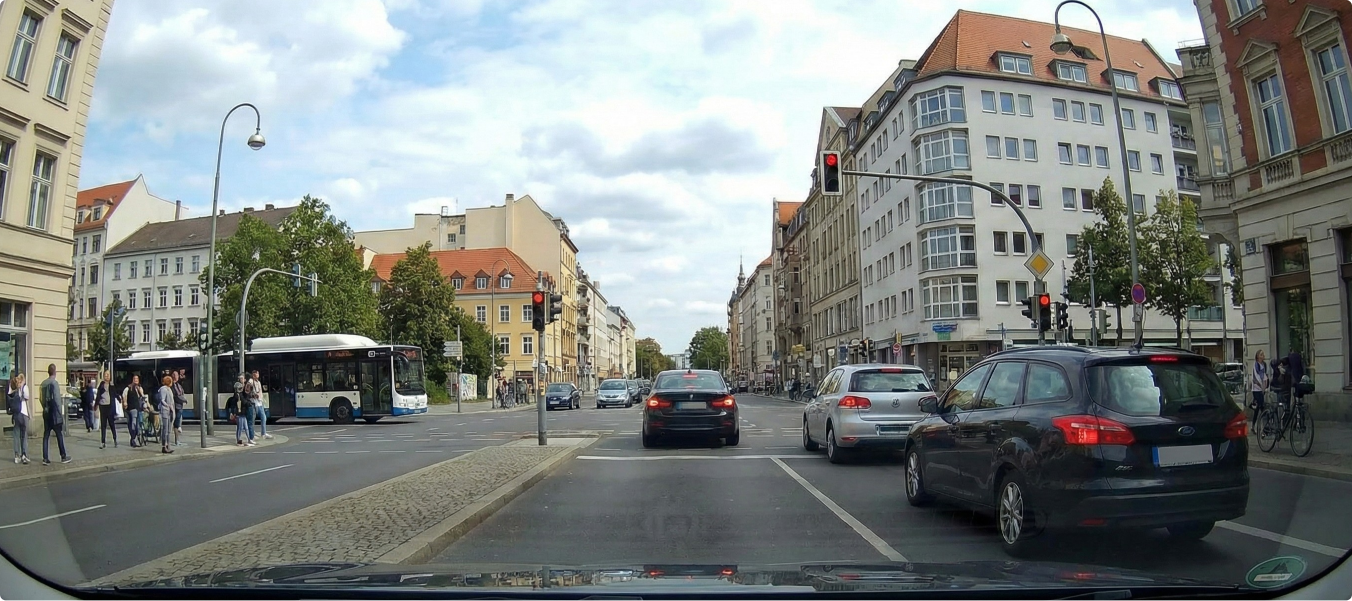
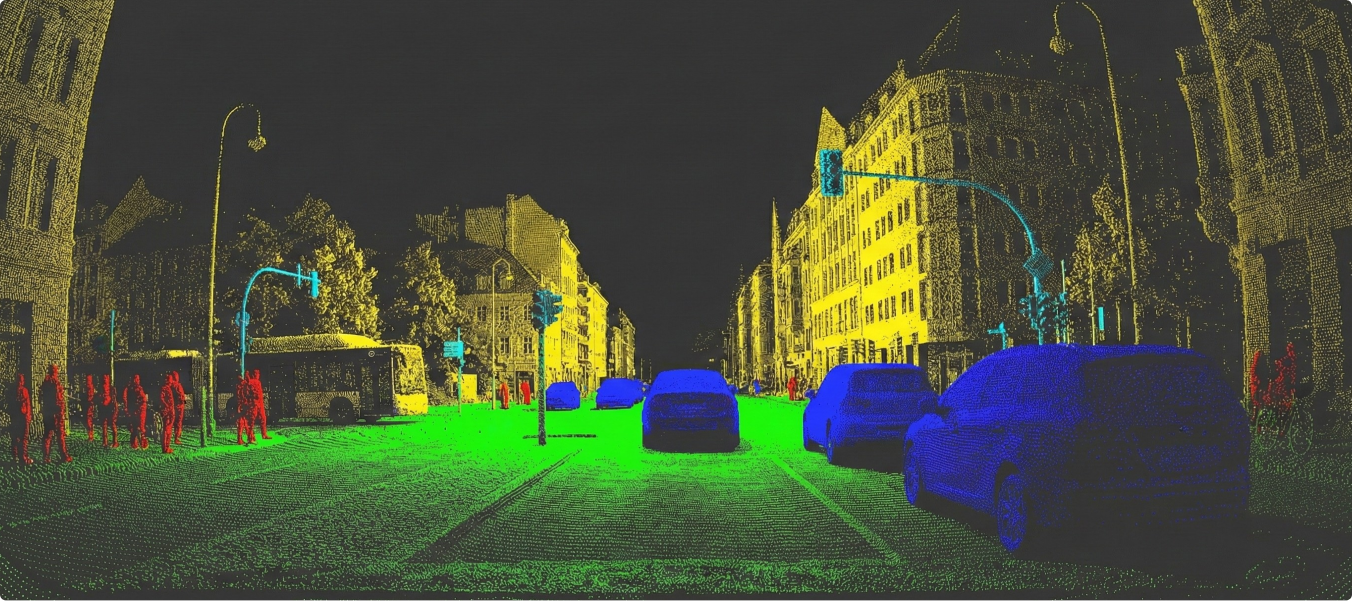
Autonomous driving models require accurate segmentation of LiDAR point clouds to identify both static and dynamic objects within a defined range of interest. The challenge lies in annotating complex scenes with multiple object types (vehicles, traffic signs, vegetation, obstacles, etc.) while addressing data noise (reflections, blooming, scan errors) and ensuring high-quality outputs at scale.
- Scaled workforce from 20 → 140 annotators.
- 20-day structured training & onboarding.
- Offline LiDAR annotation tool for objects & noise categories.
- 1:4 QA-to-annotator ratio for quality control.
- Segmented objects accurately within 100–250m RoI.
- Maintained error rate at 18.5 errors/task (better than <20 target).
- Delivered 100,000+ annotated frames for autonomous driving models.
- Achieved 98%+ dataset reliability through multi-level QA.
- Established a scalable pipeline supporting rapid workforce expansion and consistent delivery.
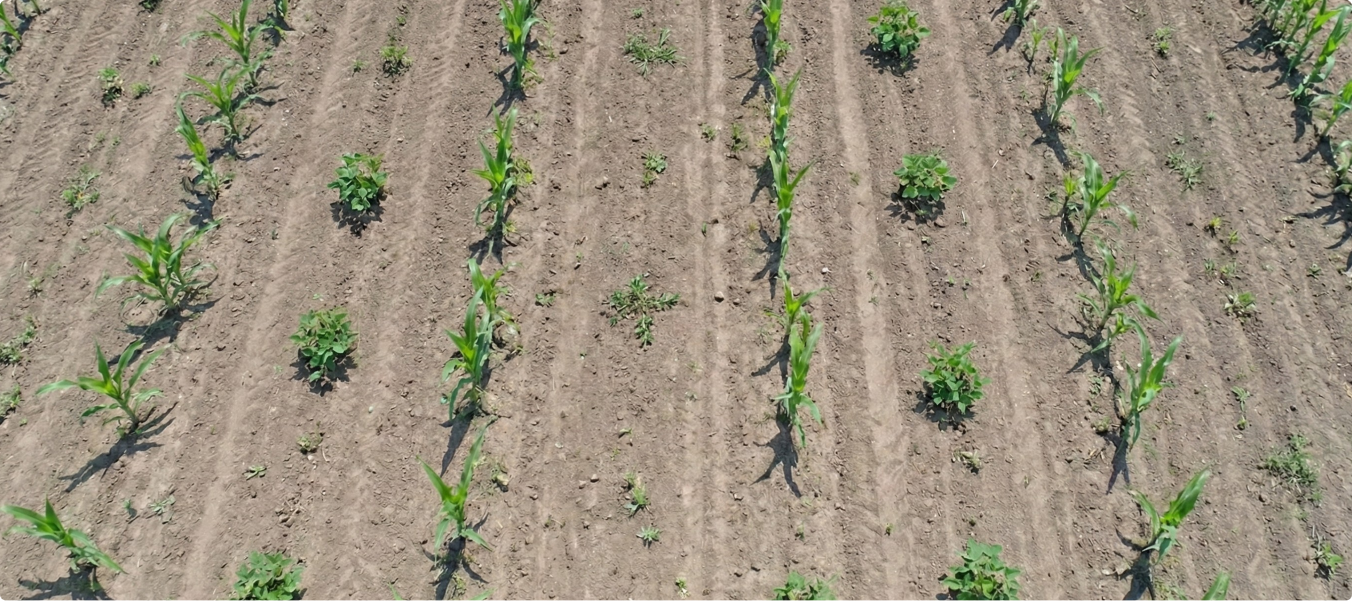
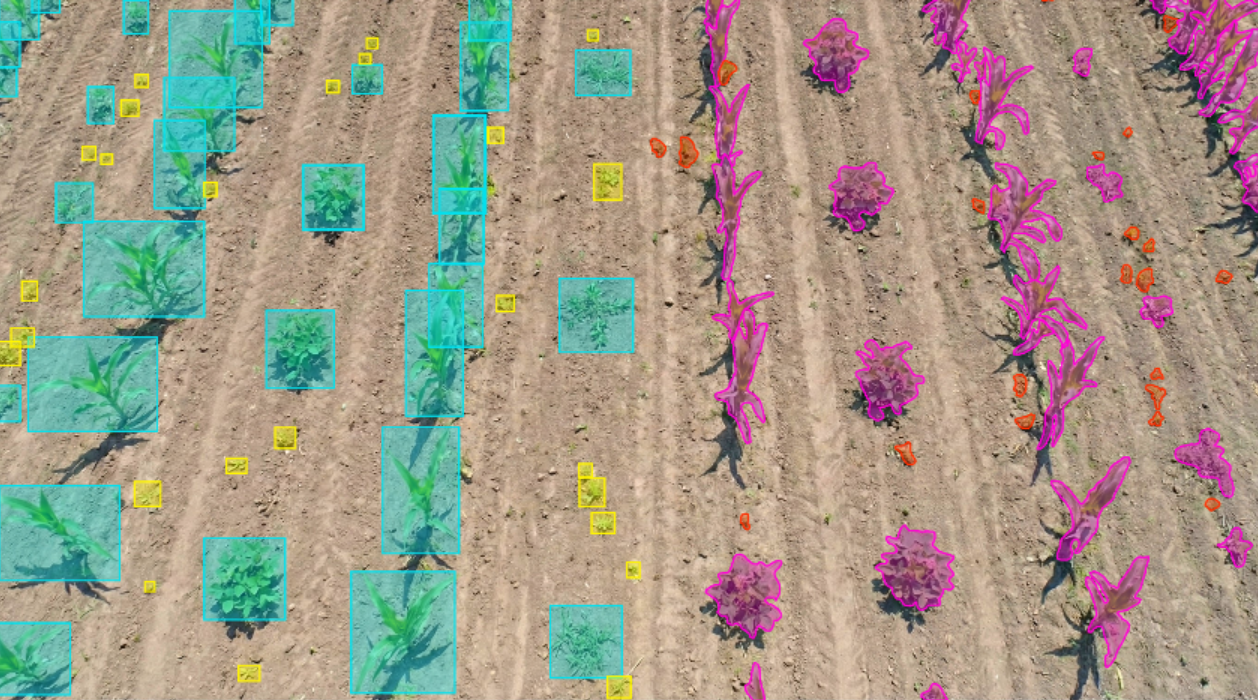
Efficient farming requires distinguishing crops from weeds to optimize chemical usage. Traditional blanket spraying methods waste resources, increase costs, and damage the environment. There was a need for high-quality labeled datasets to train AI-powered See & Spray technology that targets weeds precisely.
- Labeled farm images to differentiate Soybean and Corn crops from weeds.
- Applied segmentation (15 mins per image) and bounding box annotation (3 mins per image) to ensure accurate classification.
- Created structured datasets enabling machine learning models to guide smart sprayers.
- Successfully annotated 500,000 images.
- Delivered high-accuracy segmentation and bounding box datasets.
- Enabled AI-driven spraying systems to reduce chemical use, cut costs, and support sustainable farming.
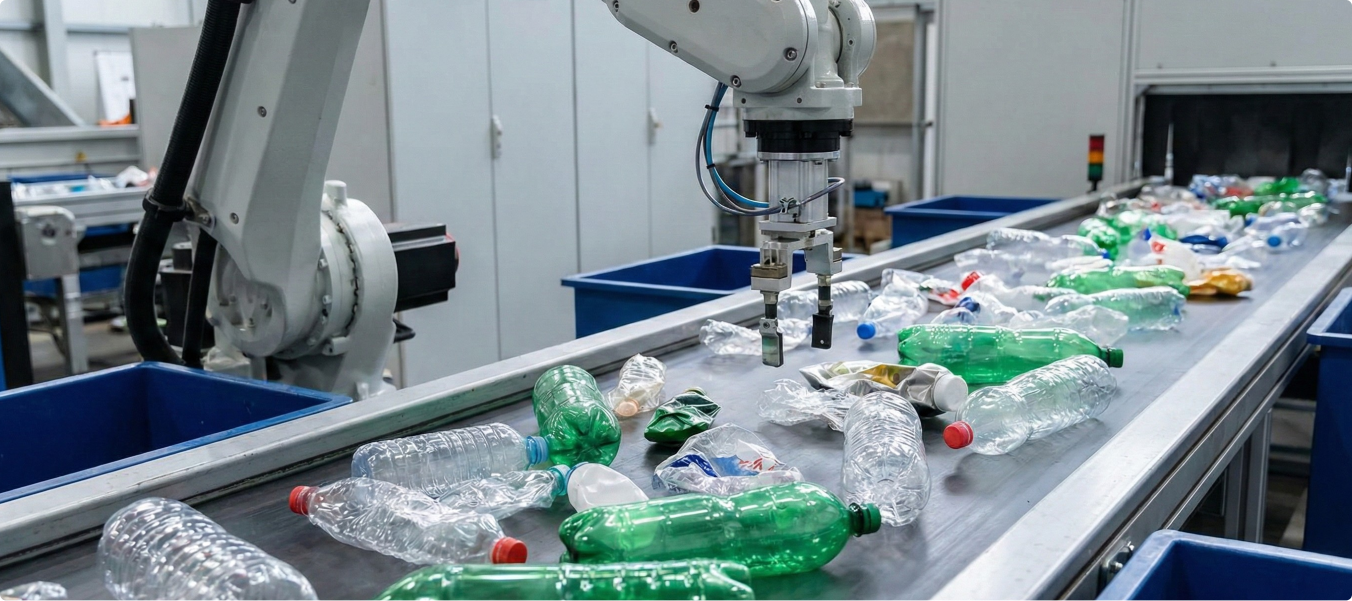
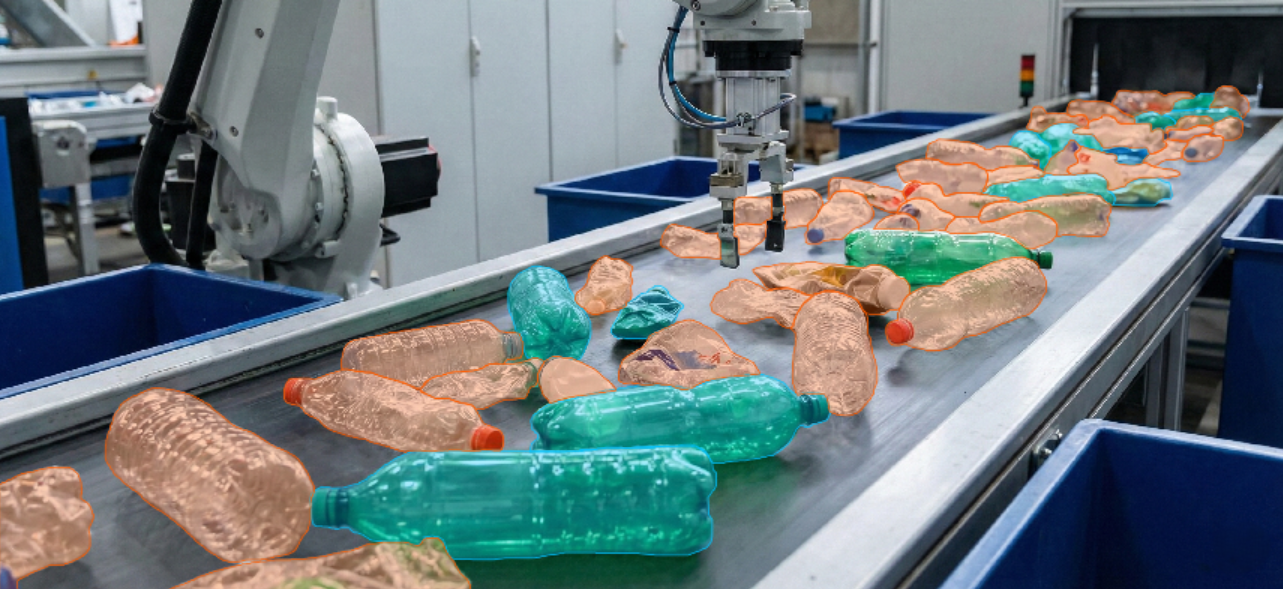
rProcess partnered with a leading AI and robotics company to revolutionize recycling economics. The project focused on creating high-quality annotated datasets to train machine vision models for automated waste segregation in Municipal Solid Waste (MSW), Construction & Demolition (C&D), E-Waste, and battery recycling.
- Developed a large dataset with precise segmentation and labeling of waste objects.
- Applied AI, computer vision, and smart sorting system workflows.
- Delivered facility-wide data insights for material purity, performance, and waste characterization.
- Supported design of robotics systems for targeted segregation of high-value commodities.
- Enabled the creation of machine learning models for accurate waste classification.
- Annotated 350 diverse datasets from industries such as manufacturing, C&D, electronics waste, and MSW.
- Supported automated robotics for safe, efficient, and precise segregation.
- Improved recovery of recyclable materials, reducing landfill dependency.
- Provided scalable annotation workflows for multiple waste domains.
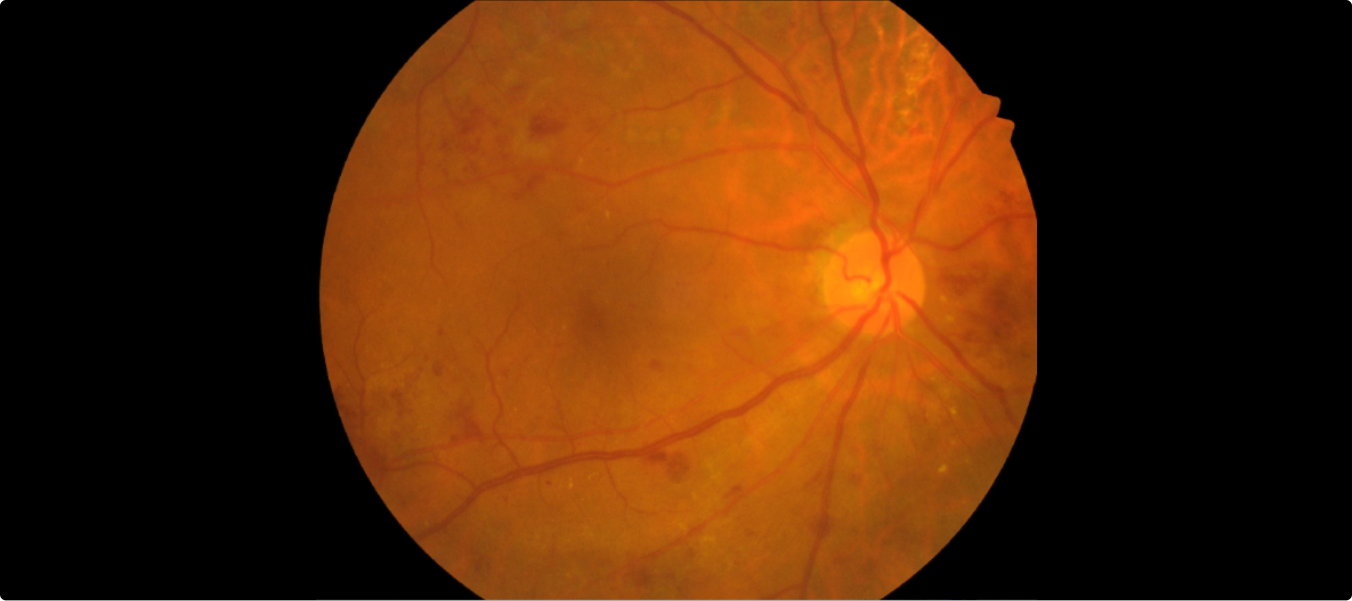
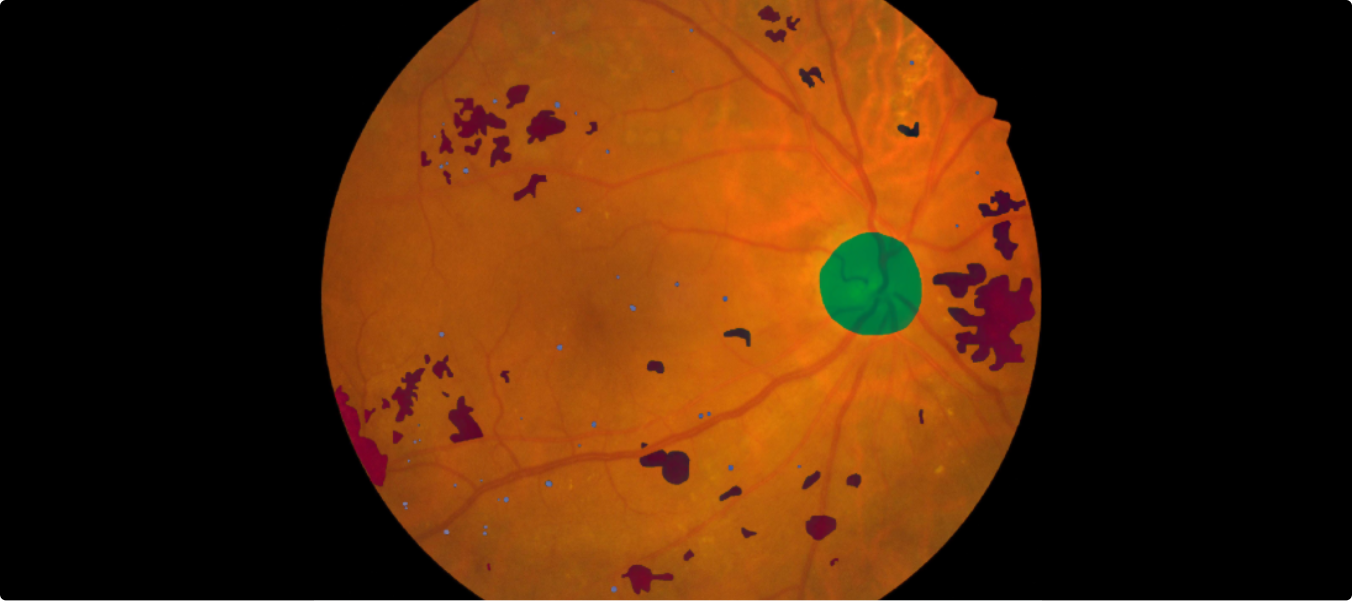
Accurate annotation of retinal fundus images is critical for detecting and classifying Diabetic Retinopathy (DR) and Diabetic Macular Edema (DME). The challenge lies in ensuring pixel-level precision to enable reliable model training for ophthalmology applications.
- Deployed an on-demand data annotation model for high accuracy.
- Performed pixel-level labeling of lesions to capture fine details.
- Supported the client’s goal of advancing AI-powered diagnostic solutions in healthcare.
- Annotated ~1,000 retinal images, ensuring precise classification of DR and DME lesions.
- Delivered a high-quality annotated dataset for ophthalmology AI models.
- Enabled accurate detection and segmentation of DR and DME.
FAQs - AI Data Engineering Solutions
How does rProcess structure data taxonomies and annotation schemas for AI projects?
rProcess defines structured taxonomies, classification hierarchies, attributes and labelling rules based on project requirements. This helps maintain consistent data interpretation across workflows and aligns outputs with the intended AI application.
How are edge cases, rare scenarios and underrepresented data identified?
rProcess reviews dataset characteristics, coverage gaps and challenging scenarios to identify cases that may be insufficiently represented. These findings can guide targeted data collection, curation and prioritization based on project objectives.
How does rProcess manage data versioning, traceability and change control?
Data workflows can incorporate version tracking, documented changes and traceability processes to help teams monitor dataset updates, maintain consistency and understand how revisions affect project deliverables.
What data validation checks can be applied before datasets are delivered?
Validation can include checks for missing values, schema compliance, label consistency, formatting errors and adherence to agreed acceptance criteria. The checks are tailored to the data type, delivery format and project requirements.
How does rProcess prepare datasets for AI model training, testing and evaluation?
rProcess helps organize and structure datasets according to their intended use in model development. Workflows can account for data quality, labelling consistency, dataset coverage and project-specific requirements for training, testing and evaluation.
How does rProcess identify and resolve inconsistencies across datasets?
rProcess use defined validation rules, consistency checks and review workflows to identify conflicting labels, missing information, duplicate records and structural discrepancies. Findings are reviewed and corrected according to agreed project guidelines and quality requirements.
How does rProcess handle dataset updates when AI requirements change?
Dataset workflows can be revised to accommodate updated taxonomies, new requirements, additional data or changing evaluation criteria. Documented changes and validation checks help maintain consistency across dataset versions.
Can rProcess work within existing client platforms and technical environments?
Yes. rProcess can work with client-provided tools, platforms, data formats and output schemas. Where suitable, YOLOViz is also available for specialized ADAS data visualization, 3D workflows and validation requirements.
Build the Data Foundation Your AI Needs
Bring us your data challenge, model objective or operational bottleneck. We will help define the right workflow, quality framework and delivery model.