AI‑driven waste classification is transforming recycling operations, reducing landfill dependence, and supporting global sustainability goals. rProcess delivers the high‑quality visual datasets classification required to power automated sorting systems, recycling robots, and large‑scale environmental intelligence models.
Diverse waste material types across residential, commercial & industrial sources
Need for automated, scalable waste segregation
Constantly changing waste streams influenced by human behavior & seasons
Overlapping or contaminated waste materials requiring detailed classification
Variability in lighting, background, and container environments
Requirements for hazard, chemical, and biomedical material detection
How rProcess Supports the Waste Management Ecosystem
rProcess provides high‑precision annotations that help AI systems identify and segregate materials, detect hazards, and guide automated waste‑sorting equipment.
Annotation Services for Waste Management
Image & Video Annotation
Image & Video Annotation
Waste object detection & classification
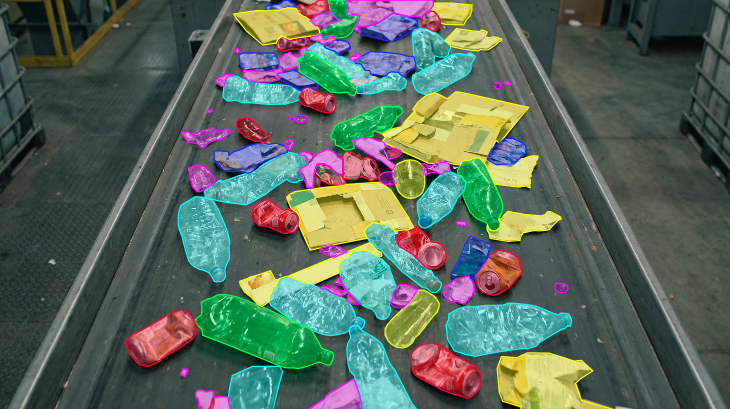
Segmentation of recyclable vs. non‑recyclable materials
Expertise in Complex Waste Material Classification
We accurately classify diverse waste types, from recyclables to hazardous materials, across varied environments.
High Accuracy Across Plastic, Paper, Metal, Organic & E‑Waste
Our teams provide consistent labeling for highly variable and mixed waste streams.
Scalable Pipelines for Municipal & Industrial Recycling
We support large waste-management organizations with continuous, high-volume annotation.
Advanced QC for Production‑Grade Recycling AI Models
Our quality workflows ensure reliable datasets for sorting systems, contamination detection, and robotics.
Waste Management Case Studies
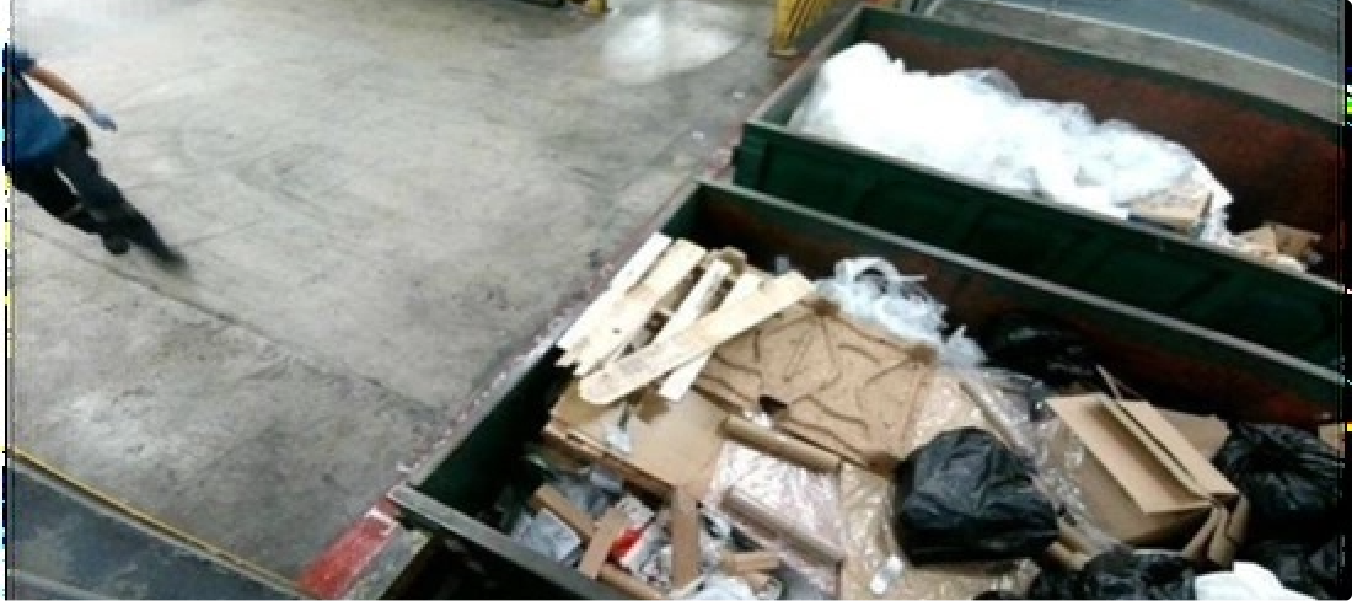
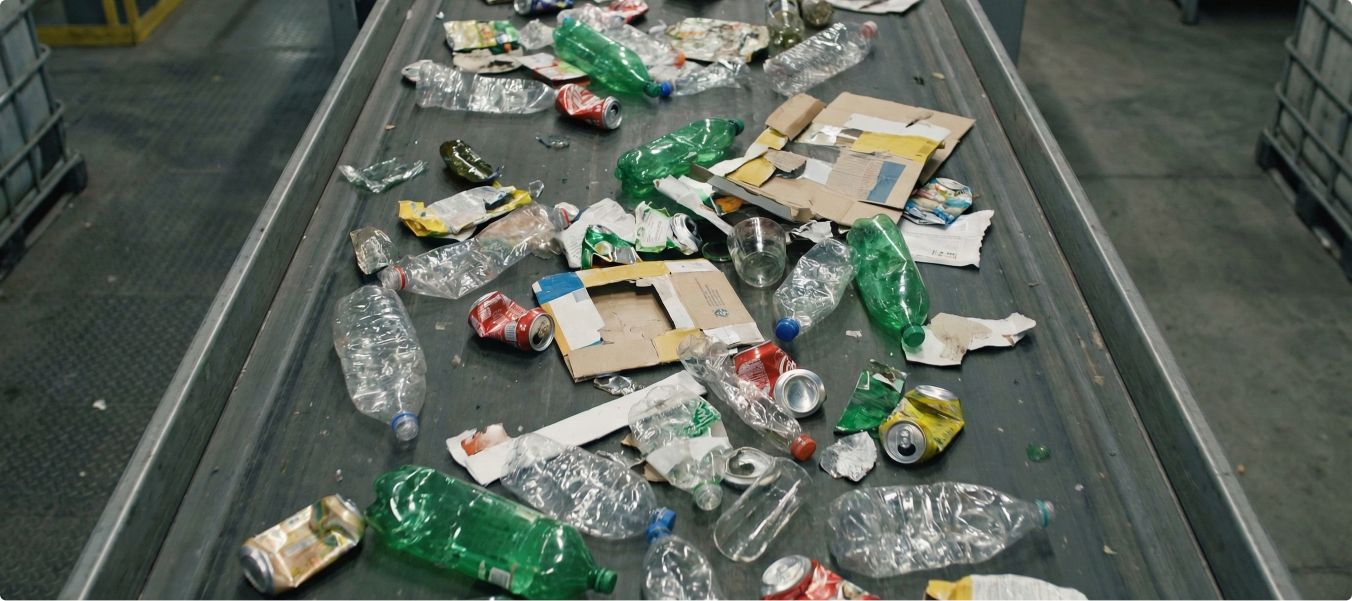
rProcess partnered with a leading AI and robotics company to revolutionize recycling economics. The project focused on creating high-quality annotated datasets to train machine vision models for automated waste segregation in Municipal Solid Waste (MSW), Construction & Demolition (C&D), E-Waste, and battery recycling.
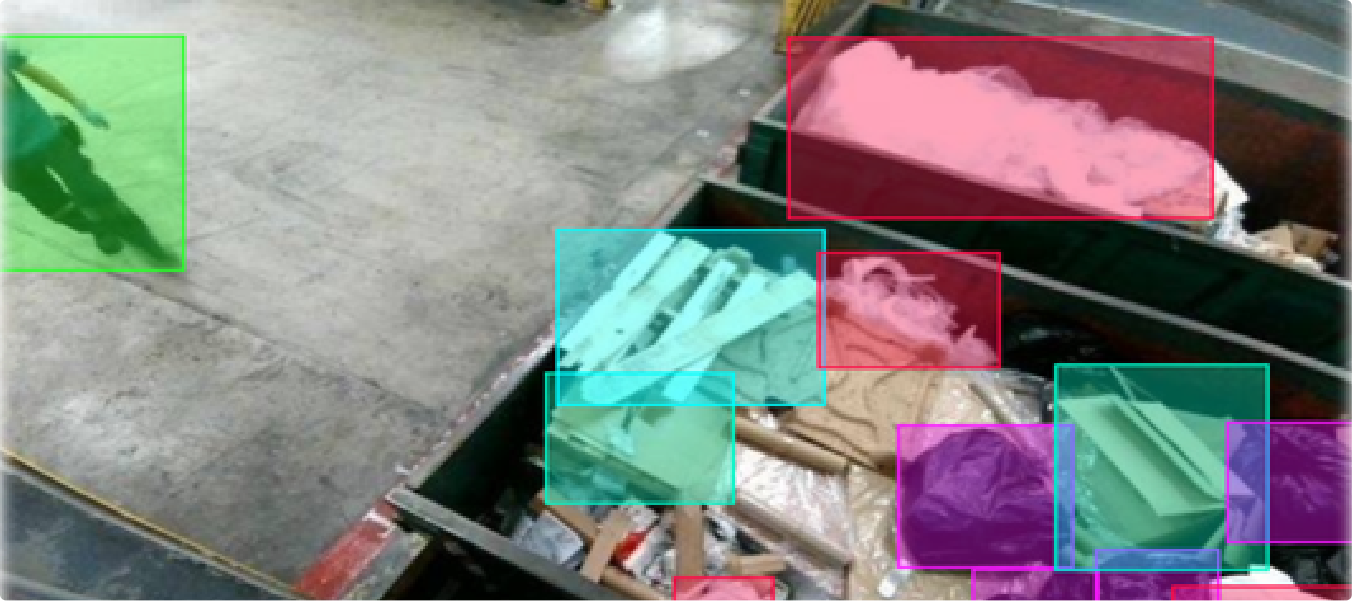
Developed a large dataset with precise segmentation and labeling of waste objects
Applied AI, computer vision, and smart sorting system workflows
Delivered facility-wide data insights for material purity, performance, and waste characterization
Supported design of robotics systems for targeted segregation of high-value commodities
Enabled the creation of machine learning models for accurate waste classification
Annotated 350 diverse datasets from industries such as manufacturing, C&D, electronics waste, and MSW
Supported automated robotics for safe, efficient, and precise segregation
Improved recovery of recyclable materials, reducing landfill dependency
Provided scalable annotation workflows for multiple waste domains
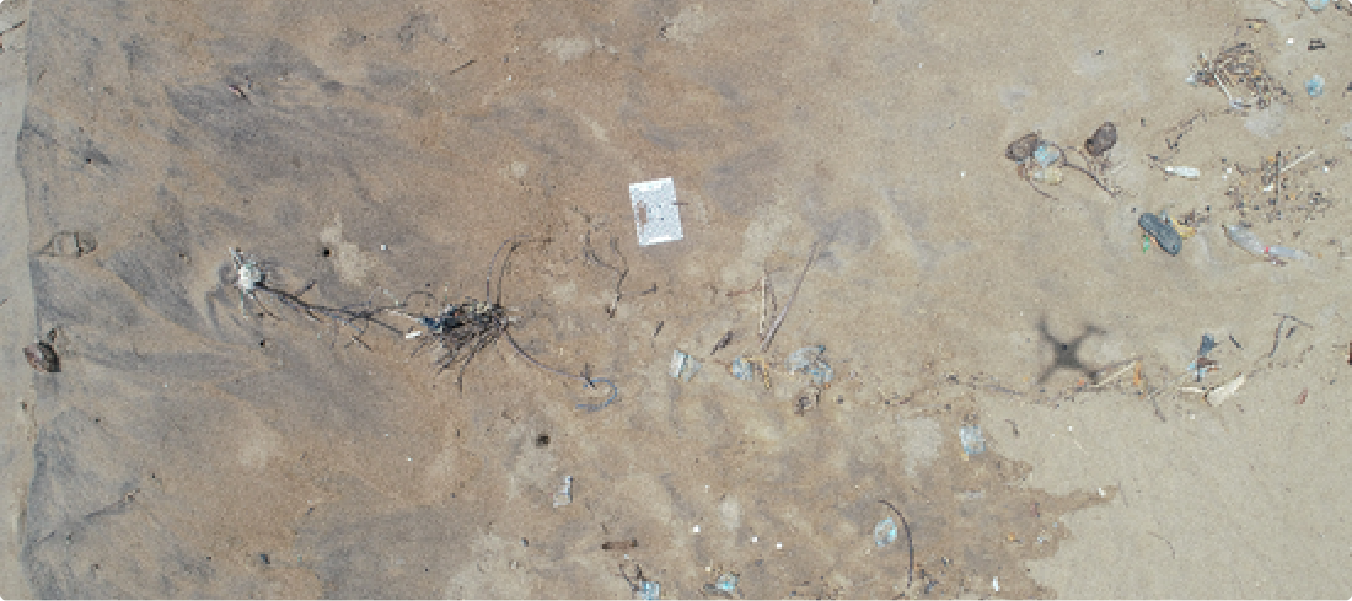
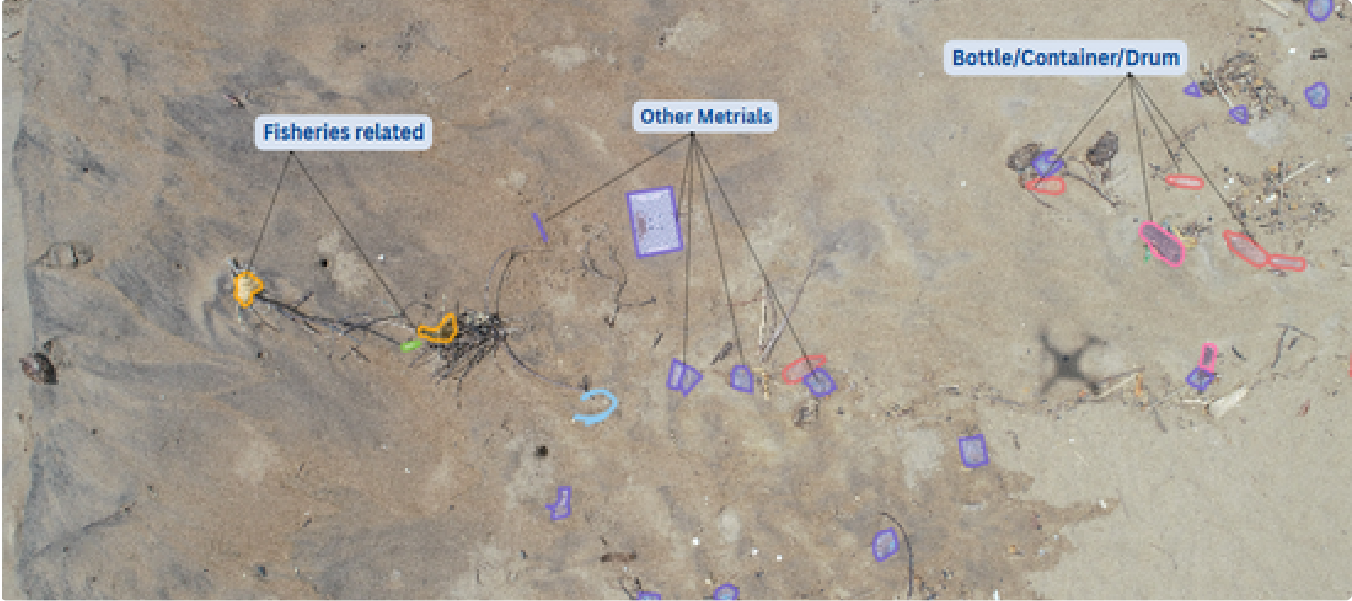
Marine pollution monitoring was hindered by inconsistent and low-detail classification methods. Litter items on beaches varied in size, shape, and visibility, while traditional categories (plastic, glass, metal) lacked the granularity needed for targeted interventions. Low-resolution drone imagery further complicated accurate identification.
Classified beach litter into 100+ detailed categories for better accuracy
Applied quality checks to detect and correct errors
Established standardized annotation guidelines for consistency
Designed a scalable framework to support large-scale marine monitoring
90,000+ images precisely annotated
High-quality dataset created for machine learning applications
Reduced misclassification through clear guidelines and exclusions
AI-powered recycling systems struggled with efficiency due to inconsistent and overlapping material categories. This led to high contamination rates in recycling streams, reduced material value, and frequent sorting errors across facilities, making automated waste classification less reliable.
Annotated waste images into 100+ standardized material categories
Applied consistent labeling rules to distinguish similar materials (e.g., PET clear vs PET green)
Conducted quality control reviews to ensure accuracy before dataset delivery
Delivered 45M+ precise segmentations and 3M+ verified classifications
Reduced misclassification with clear, detailed category definitions
Improved recycling efficiency through accurate material recognition
Public and commercial spaces struggle with waste mis-sorting, leading to contamination and lower recycling efficiency. Traditional bins do not actively engage users, making it difficult to improve sorting habits. Additionally, fixed pickup schedules often result in unnecessary collections, raising operational costs.
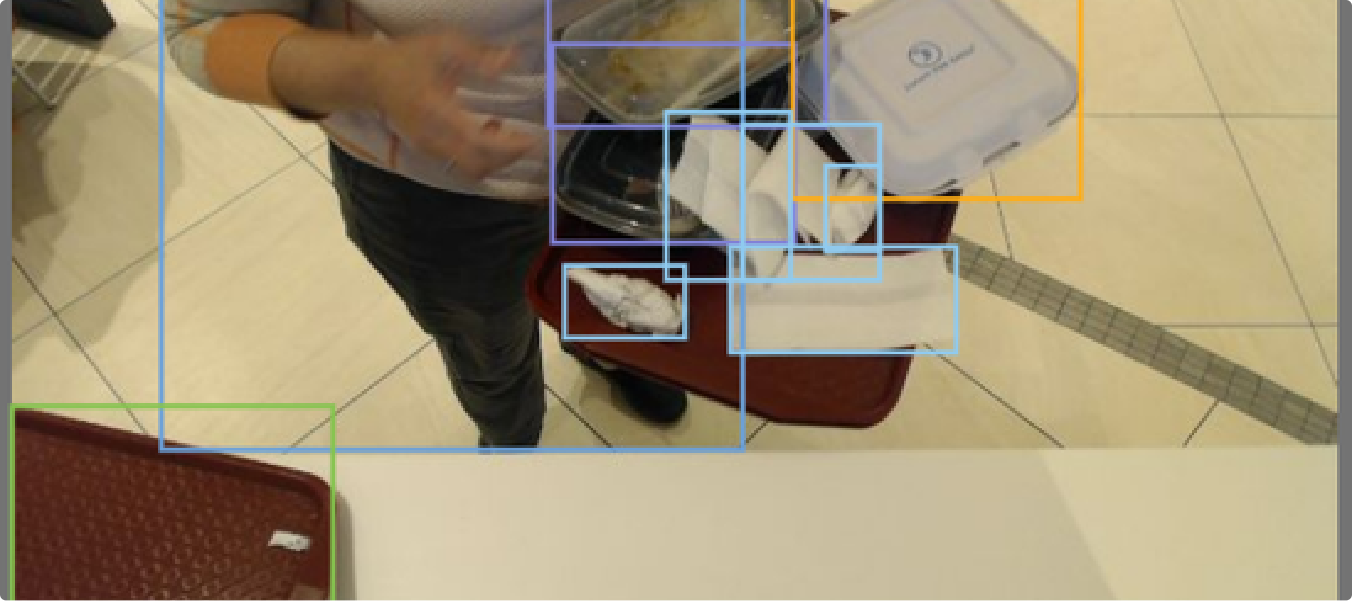
Annotated waste images directly from disposal points to train the AI system
Labeled items across multiple waste categories to enable accurate real-time disposal guidance
Applied quality checks to ensure consistent and reliable AI classifications
Delivered 4.0M+ annotations and 700K+ accurate classifications
Built a high-quality dataset to power AI waste recognition
Reduced contamination through improved recognition accuracy
Enabled real-time user feedback at disposal points, driving better sorting habits
Power Your Sustainability and Recycling Ecosystem With High‑Precision Waste Classification Data